Why change the battery game?
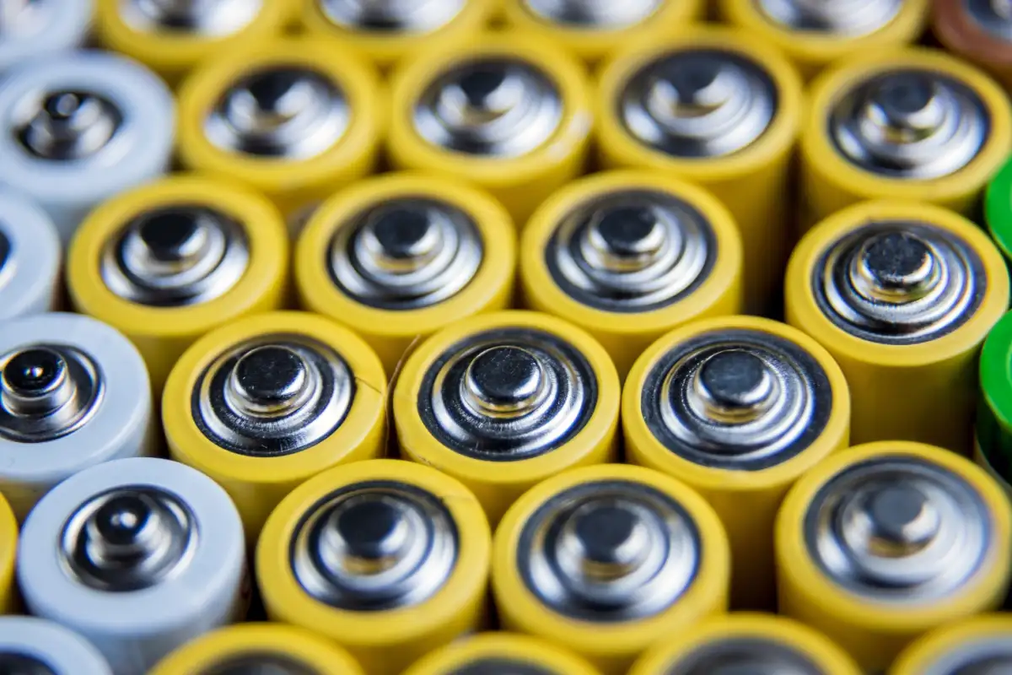
Lithium-ion batteries (LIBs) are everywhere—from phones to electric cars. They’re reliable, but they’re not perfect. They rely on scarce resources, require careful handling to avoid fires, and their performance drops in extreme temperatures. If scientists can develop cheaper, safer, and longer-lasting options, it could lower costs for devices, boost EV adoption, and reduce environmental impact. The big question: can the next generation of batteries replace LIBs, or will they coexist as complementary options?
What researchers are chasing
- Sodium-ion batteries: A cheaper cousin of LIBs, since sodium is far more abundant than lithium. Early tests show similar energy density, but energy storage per kilogram still lags behind. They shine in large-scale storage and budget-friendly devices, where weight isn’t as critical.
- Solid-state batteries: Replace the liquid electrolyte with a solid material. They promise higher safety (less flammable), faster charging, and potentially longer life. The trade-offs: manufacturing challenges, higher material costs, and ensuring consistent performance at scale.
- Lithium-sulfur (Li-S) batteries: Have the potential for very high energy density, meaning longer-lasting charge in smaller packs. They face issues with cycle life (how many times you can charge/discharge) and stability, as sulfur can degrade performance over time.
- Magnesium and aluminum batteries: Use more abundant metals and promise safer chemistry. They’re in earlier stages, with researchers ironing out energy density and long-term stability.
- Aqueous and flow batteries: Great for grid storage due to safety and cost, but not typically used in phones or cars where compact energy density is king.
- Recycling-forward designs: A quieter but crucial line of work focuses on recovering and reusing materials more efficiently from old batteries to lower costs and reduce environmental impact.
What success would look like
- Cost reduction: If a new chemistries can use cheaper, more abundant materials without sacrificing performance, the price of batteries in consumer electronics and EVs could fall substantially.
- Safety improvements: Solid-state and other safer chemistries could reduce fire risk, easing consumer fears and insurance costs.
- Faster charging and longer life: Batteries that charge quickly and endure more cycles would mean devices that don’t need frequent replacement and EVs that can travel farther per charge.
- Environmental benefits: Cheaper, scalable production plus better recycling could lessen mining pressure and reduce waste.
Reality check: hurdles to wide adoption
- Power and energy density gaps: Many alternatives struggle to match LIBs in weight-for-energy, which matters for phones and cars where every gram counts.
- Manufacturing scale: Getting new chemistry into mass production is expensive and complex. Supply chains, equipment, and quality control must adapt.
- Longevity and safety data: For new chemistries, years of real-world use data are essential before widespread confidence follows.
- Recycling and end-of-life: New materials require new recycling streams; infrastructure must evolve in tandem.
What to watch next
- Automotive pilots: Some automakers are testing solid-state prototypes and Li-S concepts in limited runs. Real-world feedback will shape timelines.
- Consumer devices: If a cheaper chemistry can deliver similar battery life in mid-range smartphones, expect a ripple effect in pricing and design.
- Policy and incentives: Government support for safer, cheaper batteries could accelerate development and adoption, while dictating safety standards.
Bottom line for readers
The next generation of batteries is not a single silver bullet but a family of contenders. Cheaper, safer, and more sustainable options are on the horizon, with sodium-ion, solid-state, and lithium-sulfur among the prominent candidates. Realized breakthroughs could lower costs and boost reliability across devices and vehicles, but mass production, long-term performance, and recycling logistics will determine which chemistry reaches shoppers first. Stay curious, and keep an eye on how these chemistry shifts ripple through your devices, your wallet, and the environment.